

Thank you to NetGalley and Algonquin Books for providing this book for review consideration. All opinions are my own.
Growing up on the Pine Ridge Reservation was, in some ways, like the experience of many American children in large urban areas: money was tight, kids were often left on their own for hours, and white outsiders frequently arrived to “save” them with either medicine or God. In other ways, it was a completely different world. Alcoholism was rampant among families, traditions and ceremonies were central to daily community life, and justice was severely limited. Sentences were capped at a year or two, and non-tribal members could not be prosecuted, creating an air of lawlessness and, in some cases, hopelessness about ever seeing justice. For Elaine Yellow Horse, those experiences fueled both her adolescent troublemaking and her adult drive to serve her community.
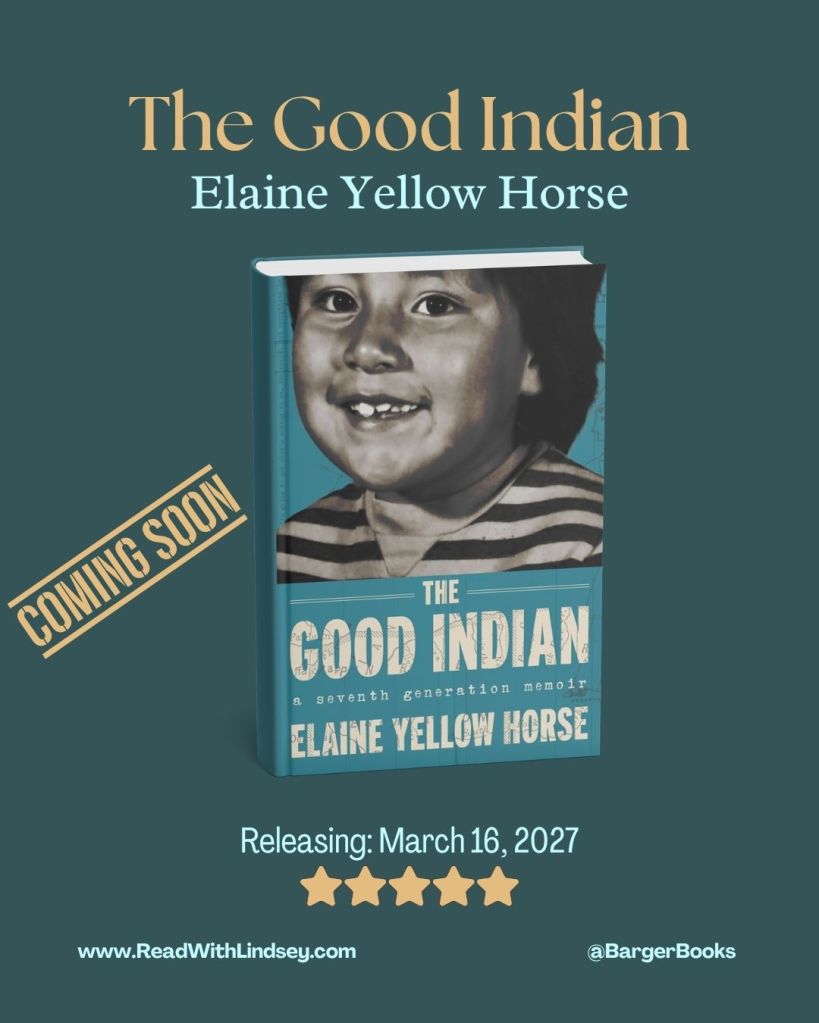
The Good Indian: A Seventh Generation Memoir is Yellow Horse’s account of her life, from childhood through her recent legal work, recounting both her shortcomings and her achievements on behalf of her community. With behind-the-scenes details of her most high-profile case, the book takes readers back in history to experience what a typical childhood on a reservation was like. Set in South Dakota, it blends her personal story with the history of the region and her tribe, including the Wounded Knee Massacre and more recent headlines. Her studies at Oglala Lakota College and the University of South Dakota shine through as she describes finding herself and her purpose.
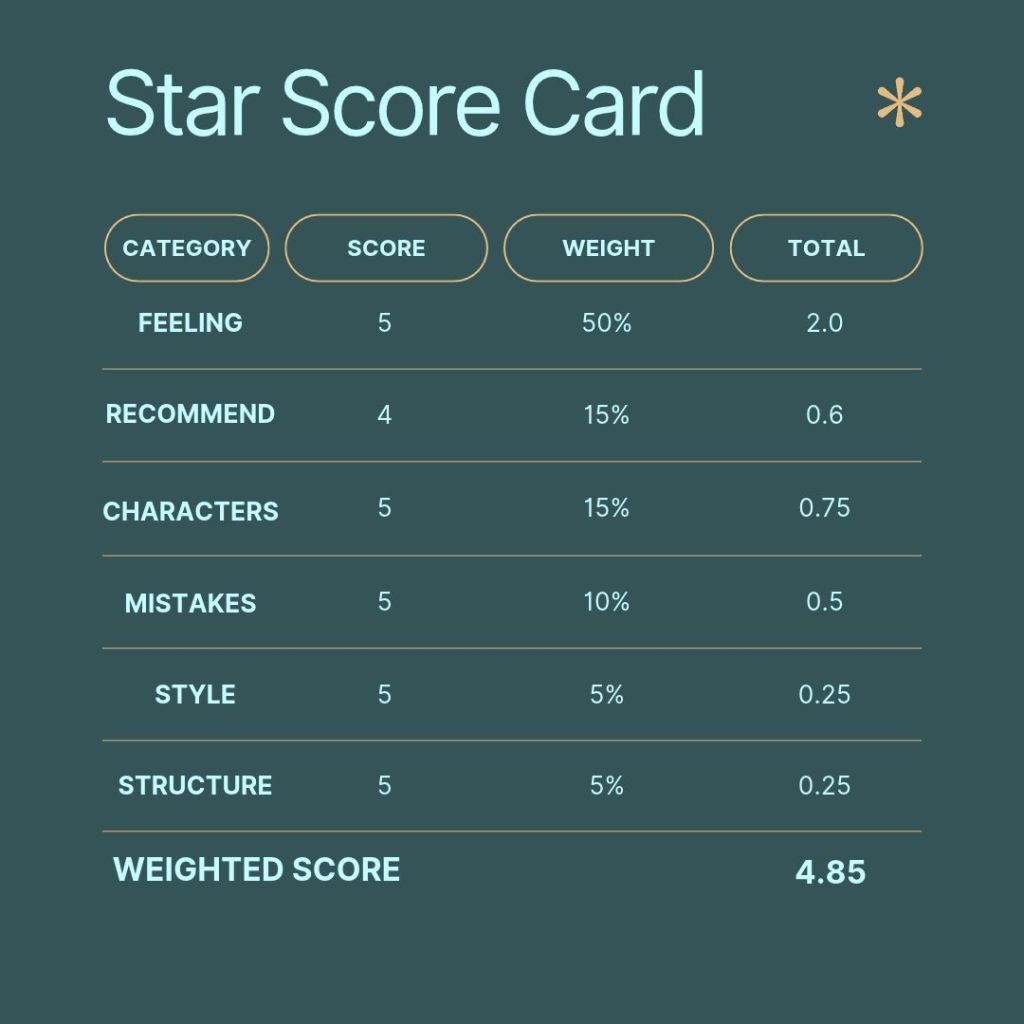
I give The Good Indian 5 out of 5 stars. I found this book relatable, with both sad and joyous moments that could happen anywhere. However, the lens of white intrusion and cultural erasure is heavy, shaping both the author’s life and the way a white reader like myself experiences this memoir. While I have read about Indian boarding schools and other policies enacted by the US government through the Bureau of Indian Affairs, seeing them through the eyes of a child and adolescent brought new understanding. From how cautious the adults were about sharing their culture to the need for several government approvals just to get married, the damage from generations of forced assimilation is still present in everyday life. I found this memoir so engaging that I did not want to put it down and was eager to keep reading.
This memoir includes discussions of mental health (including suicide) as well as drug and alcohol abuse, so it may be best suited to mature readers over the age of 16. I would also caution readers who are sensitive to verbal abuse and child abandonment. However, if you enjoyed Mary Brave Bird’s Lakota Woman or Viola Burnette’s Confessions of an Iyeska, you will love this book. I would also recommend it to readers who enjoyed memoirs by Ruth Bader Ginsburg (My Own Words) or Gloria Steinem (My Life on the Road).
The Good Indian releases March 16th. You can preorder your copy through our Bookshop.org page.
This post contains affiliate links.
What I’m Reading
- Current print book: The Great Charm City Baking Pageant, Pamela Kyel
- Current audio book: Mrs. Lincoln’s Dressmaker, Lynda Jones
- Book I’m most looking forward to: The Last Match, Jessa Maxwell
Discover more from Read With Lindsey
Subscribe to get the latest posts sent to your email.
