


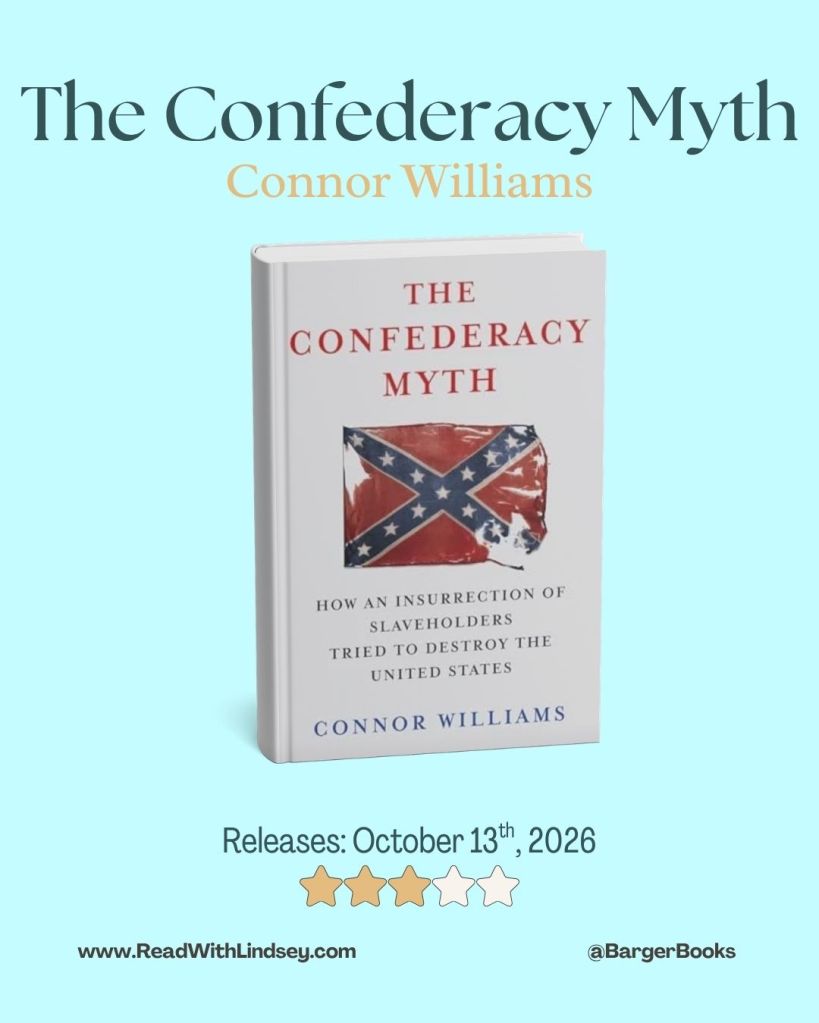
Thank you to NetGalley and St. Martin’s Press for sending this book for review consideration. All opinions are my own.
The Civil War may be one of the most thoroughly researched—and still widely misunderstood—periods in American history. Scholars continue to debate the forces that drove the nation to war and the extent to which Abraham Lincoln’s election shaped the crisis. Yet one truth cannot be evaded: slavery was embedded in the Southern economy, and secession protected a system that treated human beings as property and exploited their labor. Arguments about states’ rights remain central to public memory, but they often obscure the defining question: were states defending an abstract principle of self-government, or the power to preserve slavery against federal authority?
Connor Williams’s The Confederacy Myth has no interest in softening the edges of Civil War history. Instead, it takes direct aim at the stories Americans have told themselves about the Confederacy, arguing that what is often framed as a noble fight for independence was, in reality, a violent defense of slavery wrapped in mythmaking that continues to shape public memory. Provocative, forceful, and unapologetically clear in its position, the book asks readers to reconsider not only what they know about the Confederacy, but also why its myths have proved so difficult to dislodge.
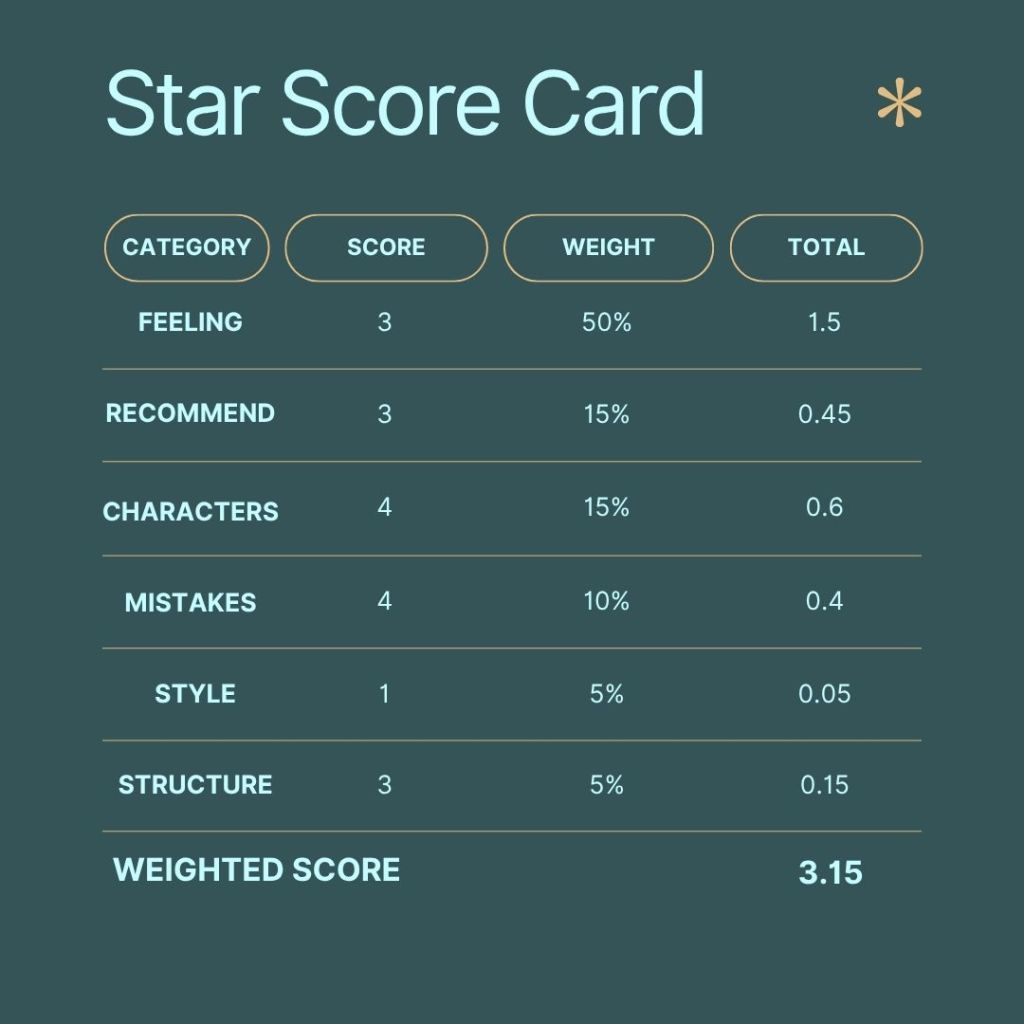
I give The Confederacy Myth 3 out of 5 stars. The book contains several flaws that may limit its appeal. First, it often reads like a thesis defense: measured and academic on one page, angry and condescending on the next. Second, Williams supplies a wealth of detail—some of it familiar—that may overwhelm casual readers rather than guide them through his argument. Third, the book’s judgments do not always feel consistent. In one chapter, Williams criticizes retreating Confederates for burning supply stores when the flames spread to nearby buildings; later, he commends Union soldiers for similar destruction at Harpers Ferry. Moments like these weaken the book’s authority. The result is a work so emotionally invested in proving its case that it sometimes feels more polemical than educational. Williams also devotes considerable attention to comparing the Confederacy with modern insurgencies overseas, yet the contemporary parallels closest to home receive less sustained examination than I expected.
The Confederacy Myth is educational in many respects, but readers should approach it as an argument rather than a neutral reference work. Its strongest passages gather historical evidence into a clear challenge to familiar narratives; its weakest allow the author’s frustration to eclipse his analysis. Readers seeking an introduction to the period may want to pair it with broader histories of the Civil War and Reconstruction. This is my first book by Williams, and although I appreciated the questions he raises, the uneven tone and selective framing would make me cautious about picking up another.
The Confederacy Myth will be published by St. Martin’s Press on October 13, 2026.
This post contains affiliate links.
What I’m Reading
- Current print book: The Sum of All Fears, Tom Clancy
- Current audio book: The 6:20 Man, David Baldacci
- Book I’m most looking forward to: Murmuration, TJ Klune
Discover more from Read With Lindsey
Subscribe to get the latest posts sent to your email.
