


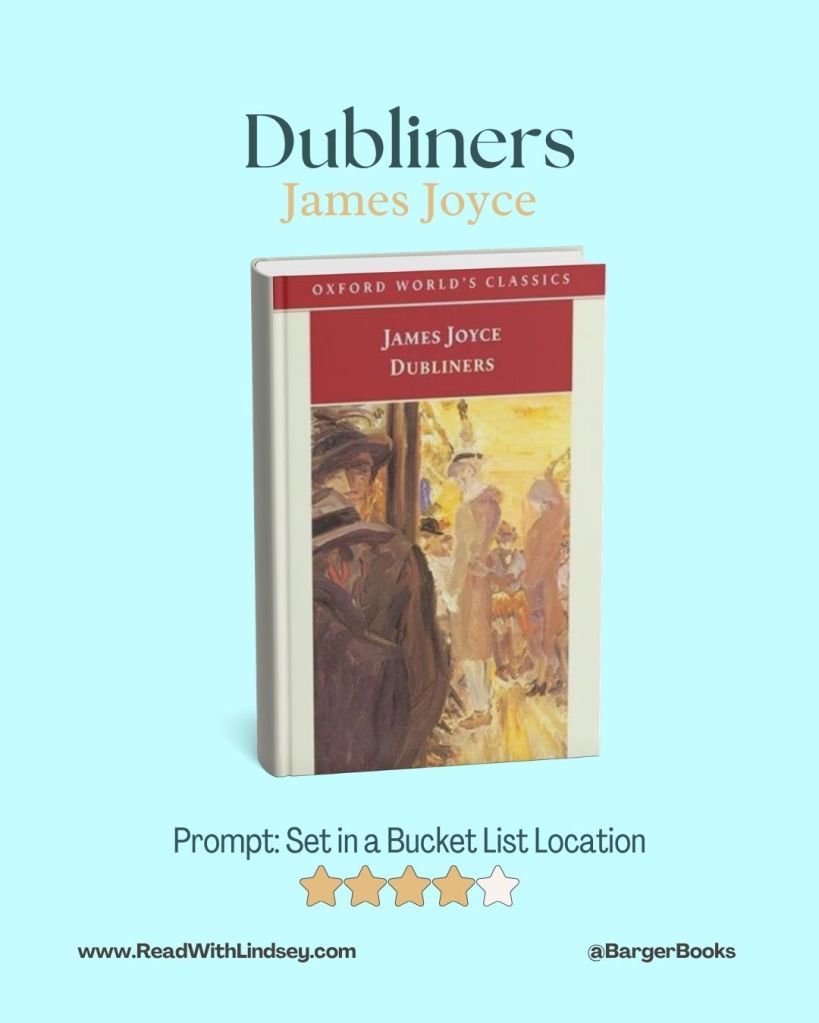
James Joyce became one of the most influential figures in modern literature because he pushed fiction beyond straightforward storytelling and into the inner lives of his characters. His writing pays close attention to language, memory, place, and the uneven flow of human thought. Readers who love Joyce are often drawn to the way he captures ordinary life—its frustrations, desires, embarrassments, and quiet revelations—while making those moments feel both artistically daring and emotionally honest. Even when his work is challenging, there is something unforgettable about the way he turns everyday experiences into literature that lingers.
Dubliners, one of Joyce’s best-known works, is a collection of fifteen short stories that paints a vivid, often quietly painful portrait of life in Dublin in the early twentieth century. Across the collection, Joyce follows children, young adults, and older people as they move through moments of longing, disappointment, routine, and missed opportunity. The stories reveal how fear, social pressure, religion, family duty, and personal hesitation can leave people emotionally stuck. Rather than building toward one central plot, the book gathers these individual lives into a larger portrait of a city and its people, culminating in “The Dead,” where memory, loss, and spiritual paralysis come together in one of the collection’s most powerful reflections.
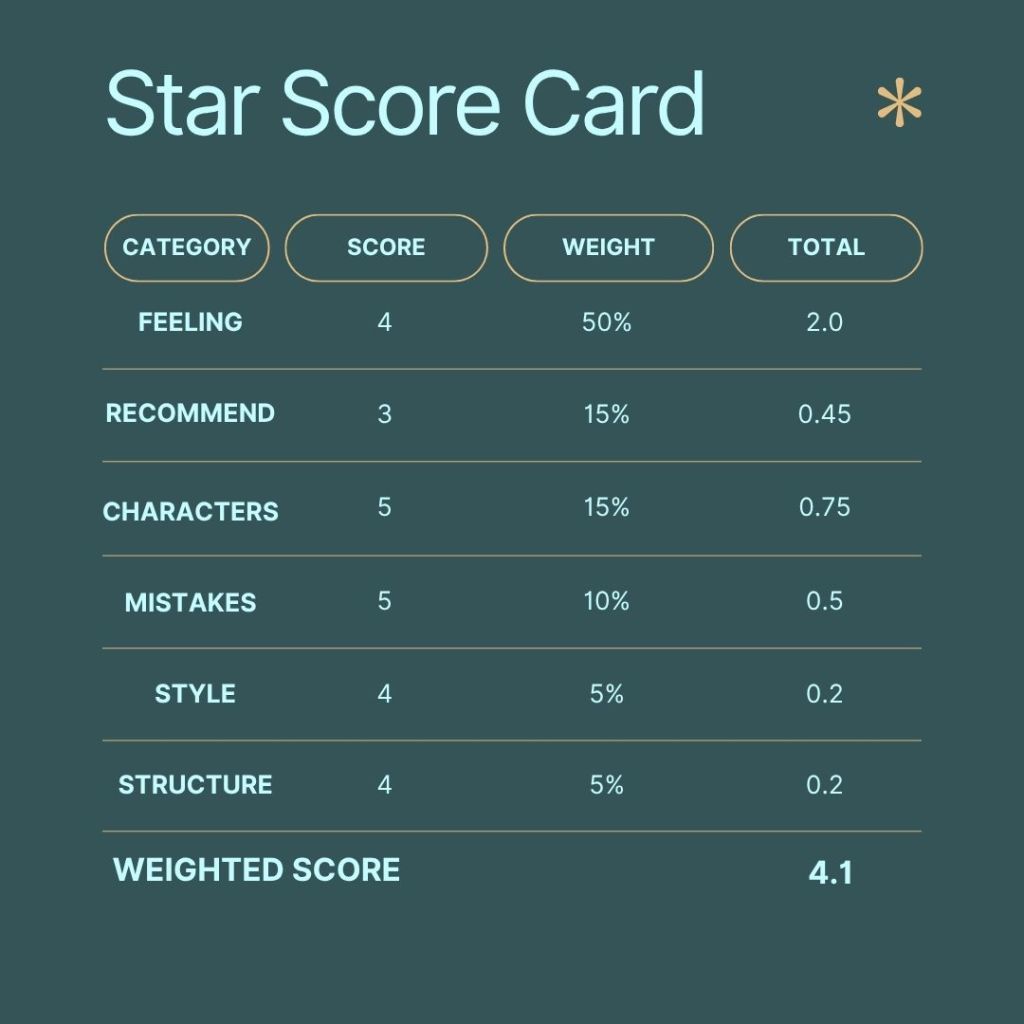
I give Dubliners 4 out of 5 stars. The writing is classical in style, but the storytelling still feels modern and alive. Joyce’s Dublin is not romanticized; it is crowded, conflicted, restrained, and deeply human. I found myself connecting with the characters through the atmosphere he creates—the streets, rooms, conversations, silences, and small disappointments that shape their lives. Some stories feel as if they end just as another writer might begin the drama, but that restraint is part of what makes the collection so memorable. Joyce is less interested in neat answers than in the moment a character sees something clearly, even if that realization arrives too late to change anything.
I would recommend this book to readers who enjoy classics, literary fiction, and short story collections that reward a slower, more thoughtful pace. It is also a meaningful read for anyone interested in Irish literature or hoping to connect with Irish heritage through fiction. Joyce offers a glimpse into Dublin more than a century ago, but the emotional struggles he writes about—feeling trapped, longing for something more, carrying regret, and wondering what might have been—still feel familiar today. Readers who enjoyed Amongst Women or The Barracks by John McGahern may especially appreciate the way Dubliners uses place, family, and memory to create a strong emotional landscape. Those books are transportive in their own ways, and Joyce’s collection stands out for how much meaning he can hold inside a seemingly ordinary moment.
I chose Dubliners for the Read With Lindsey reading challenge prompt “Set in a Bucket List Location.” Ireland has long been at the top of my travel list, both because of my own heritage and because of the experiences friends and coworkers have shared after visiting. Reading Dubliners felt like a quieter kind of travel—not the postcard version of Ireland, but a walk through homes, streets, dinner tables, churches, and private thoughts. I know the Dublin I hope to visit one day will be very different from Joyce’s Dublin, but this collection still carried me across the Atlantic and gave me a deeper appreciation for the place, its history, and the people who have called it home.
This post contains affiliate links.
What I’m Reading
- Current print book: The Confederacy Myth, Connor Williams
- Current audio book: TBD
- Book I’m most looking forward to: Murmuration, TJ Klune
Discover more from Read With Lindsey
Subscribe to get the latest posts sent to your email.

One thought on “Dubliners”