

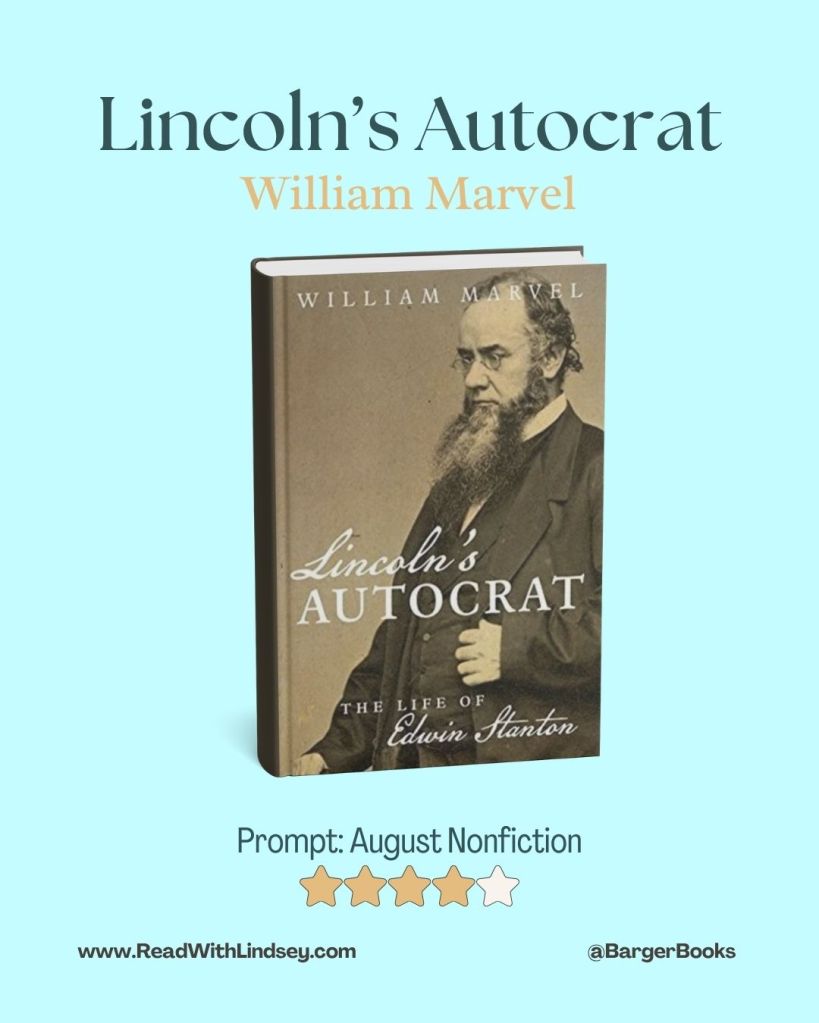
William Marvel’s Lincoln’s Autocrat: The Life of Edwin Stanton turns its attention to one of the Civil War’s most formidable and contentious figures: Edwin Stanton, Lincoln’s secretary of war and a decisive force in the nation’s wartime government. Rather than presenting Stanton as a dutiful subordinate moving in Lincoln’s shadow, Marvel casts him as an ambitious, abrasive, and often domineering operator whose reach extended far beyond the ordinary boundaries of a cabinet post. The biography follows Stanton from his early legal career through his command of the Union war machine and into the bitter first years of Reconstruction, tracing his battles with generals, his hard-line use of federal power, and his willingness to press against civil-liberties limits in the name of national survival. The result is not only a portrait of a difficult and consequential man, but also a reconsideration of how power worked inside Lincoln’s administration when the republic itself was under strain.
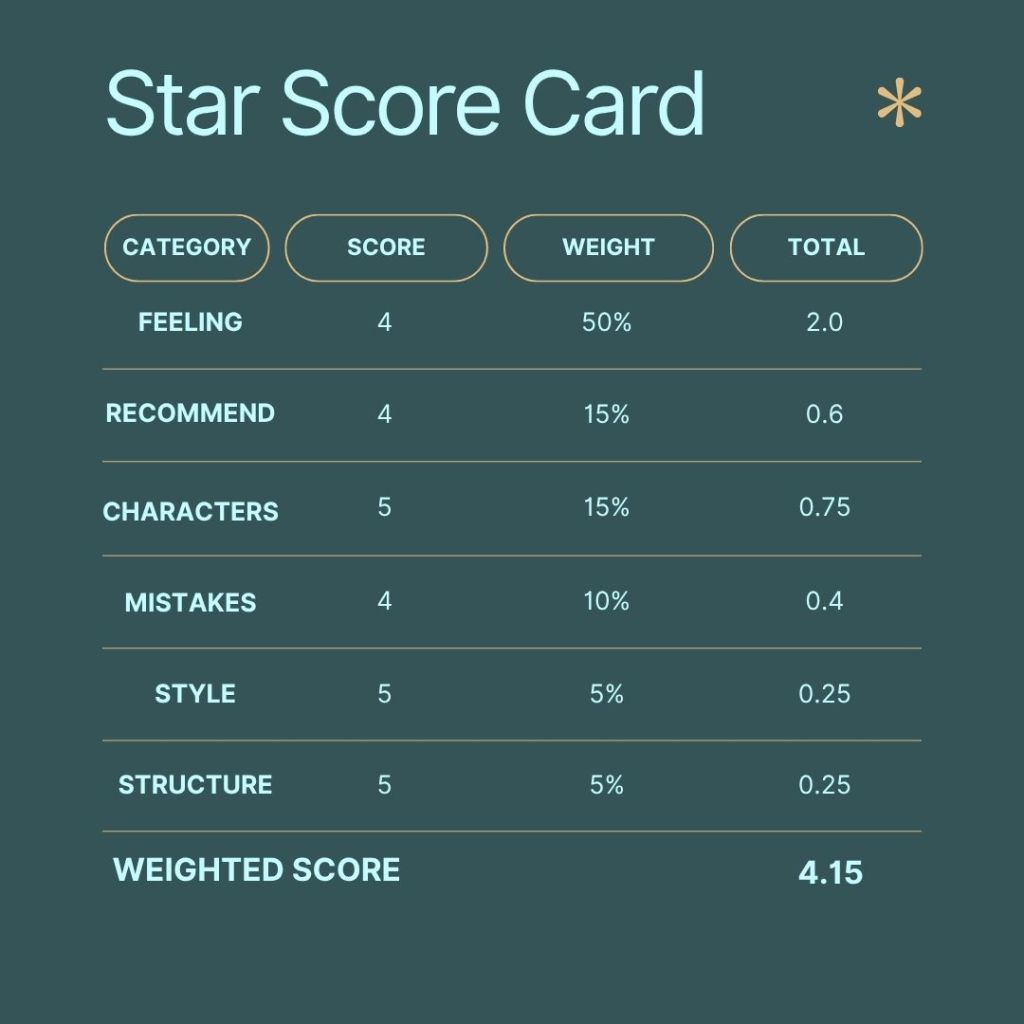
I give Lincoln’s Autocrat 4 out of 5 stars. Stanton has fascinated me since I first encountered his post-assassination role in Airship’s podcast drama 1865, and Marvel’s biography deepened that interest by showing how a man who moved near Lincoln without ever quite becoming his intimate helped shape both the war effort and the contested early vision of Reconstruction. Stanton’s dramatic defiance during Andrew Johnson’s attempt to remove him from the War Department—an act that helped precipitate the first presidential impeachment—remains one of the most vivid episodes in the book and one of the reasons he still reads, to me, as a figure of almost theatrical conviction. Yet the biography is not without its frustrations. At times, Marvel’s narrative slows under the weight of ancillary detail, and his interpretation of Stanton often feels prosecutorial rather than exploratory. The book seems less interested in asking whether Stanton was heroic, flawed, necessary, or dangerous than in persuading the reader that he belonged on the darker side of the historical ledger. For a biography of so complicated a public figure, that imbalance sometimes narrows the work’s imaginative and moral range.
Lincoln’s Autocrat is strongest when it reveals Stanton as a man whose flaws were inseparable from his effectiveness: relentless, moralizing, brilliant, vindictive, and convinced that history would justify the severity of his methods. Even when Marvel’s own verdict feels too firmly settled, the biography succeeds in making Stanton impossible to dismiss. It is a demanding, occasionally uneven book, but it leaves the reader with a sharper sense of how much of the Civil War was fought not only on battlefields, but in offices, memoranda, arrests, rivalries, and the ruthless calculations of power.
Readers drawn to the powerful figures who operate just outside the familiar frame of history will find Lincoln’s Autocrat rewarding, particularly those interested in the Civil War, Reconstruction, and the uneasy relationship between executive power and democratic restraint. It should also appeal to readers of expansive historical biography in the vein of Doris Kearns Goodwin’s The Bully Pulpit or Fred Anderson’s Crucible of War, though Marvel’s sharper, more adversarial portrait gives this book a colder and more contentious edge.
I chose Lincoln’s Autocrat as my nonfiction read for August because it sits at an intriguing crossroads between political biography, Civil War history, and true crime. Its treatment of the investigation and prosecution of Lincoln’s assassination conspirators makes it a fitting selection for both True Crime week and an August theme devoted to mystery, but its real force lies in the larger question it raises: how far a nation, and the men who govern it, will go when survival becomes the dominant moral argument. If this kind of morally complicated history intrigues you, add Lincoln’s Autocrat to your August reading list.
This post contains affiliate links.
What I’m Reading
- Current print book: Pressure Depth, Jack Stewart
- Current audio book: Poems by Emily Dickinson, Emily Dickinson
- Book I’m most looking forward to: The Magic of Chamomile Cottage, Heather Webber
Discover more from Read With Lindsey
Subscribe to get the latest posts sent to your email.

One thought on “Lincoln’s Autocrat”