


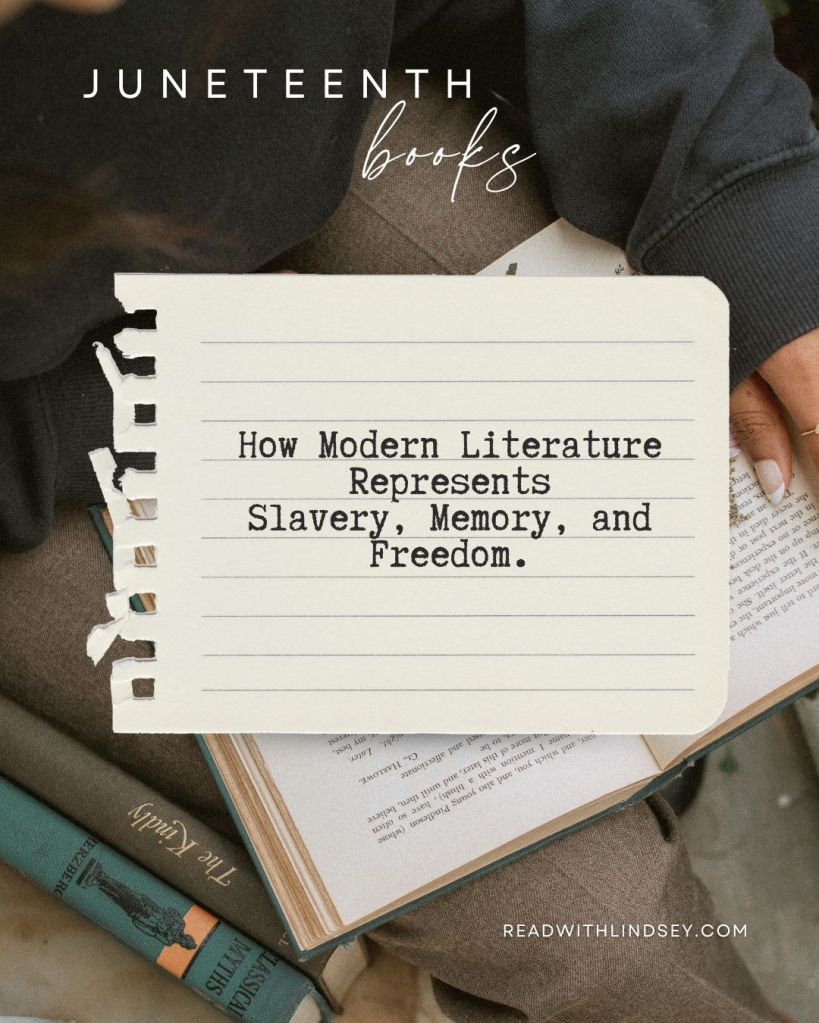
Juneteenth is a celebration of freedom, but it is also a time for remembrance. Observed on June 19, it marks the day in 1865 when enslaved people in Galveston, Texas, were finally informed that they were free — more than two years after the Emancipation Proclamation. That history makes Juneteenth more than a holiday. It is a reminder that freedom in America was delayed, uneven, and deeply connected to real human lives.
That is one reason Juneteenth is such a meaningful lens for discussing literature. Books help us engage with history in a personal, thoughtful way. Facts and timelines matter, but stories often help readers better understand the emotional weight of the past and the ways it continues to shape memory, identity, family, and community. In modern literature, slavery is often explored not only as a historical institution, but as a lasting force that shaped generations.
Why Literature Matters in This Conversation
Many authors who write about slavery approach the topic with depth, care, and humanity. Rather than presenting it as a distant chapter of American history, they show how its effects continued long after emancipation. Themes like family separation, resistance, survival, stolen autonomy, inherited trauma, and cultural memory appear again and again in these novels.
Just as importantly, the strongest books do more than portray suffering. They also make room for dignity, resilience, love, endurance, and complexity. That balance matters. Literature is at its most meaningful when it does not flatten people into pain alone, but instead honors the fullness of the lives and histories being represented.
How Modern Literature Represents Slavery
One of the most valuable things literature can do is resist oversimplification. History is sometimes taught in broad terms, but novels create room for emotional truth, contradiction, and individual perspective. That makes them especially powerful when readers want to better understand slavery’s legacy in a way that feels human and immediate.
This is also why Juneteenth books remain so relevant. Juneteenth invites reflection not only on freedom, but on the long and difficult road to it. It reminds us that justice was delayed for many, and that the effects of slavery did not disappear overnight. Literature helps keep that awareness alive in a way that is thoughtful, accessible, and personal.
Five Powerful Books to Read Around Juneteenth
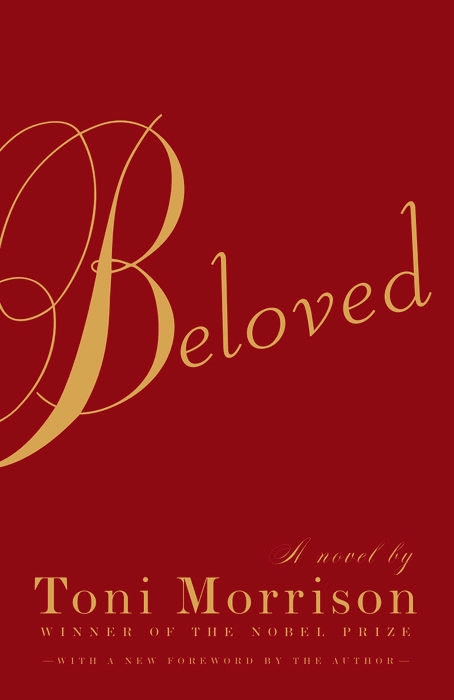
Beloved by Toni Morrison
Toni Morrison’s Beloved is one of the most important novels for understanding slavery as both history and memory. Through Sethe’s story, Morrison explores the deep scars slavery leaves on family, motherhood, and identity, while never losing sight of the humanity of those who endured it. It is a powerful example of how literature can hold grief, memory, and resilience all at once.
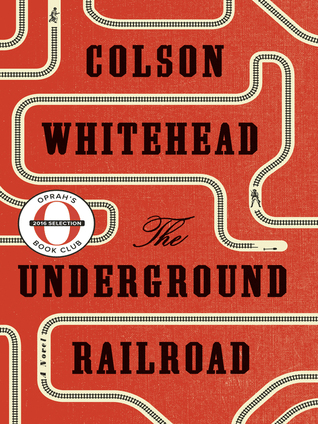
The Underground Railroad by Colson Whitehead
In The Underground Railroad, Colson Whitehead reimagines the historical railroad as a literal one, using that creative choice to make the reality of slavery feel immediate and vivid. The novel highlights both brutality and courage, showing how fiction can use invention to sharpen the reader’s understanding of historical truth. It is an especially strong pick for readers looking for an accessible but thought-provoking place to begin.
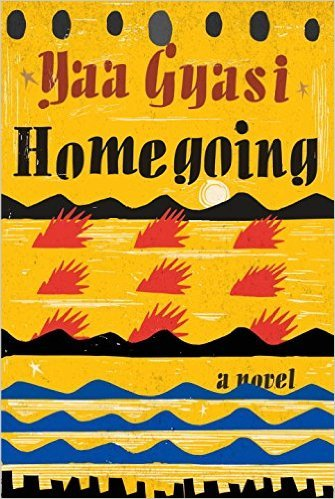
Homegoing by Yaa Gyasi
Yaa Gyasi’s Homegoing expands the conversation by tracing the descendants of two half-sisters across generations. The novel shows how slavery’s effects continue far beyond emancipation, shaping identity, family history, and cultural memory over time. It is especially meaningful for readers interested in legacy and the long reach of history.
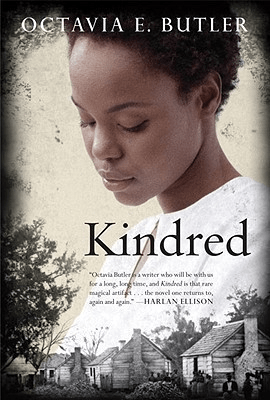
Kindred by Octavia E. Butler
Octavia E. Butler’s Kindred takes a speculative approach, but its impact is deeply grounded in history. By sending a contemporary Black woman back into the world of slavery, Butler removes the sense of distance that can make the past feel abstract. The result is a novel that feels urgent, readable, and deeply affecting.
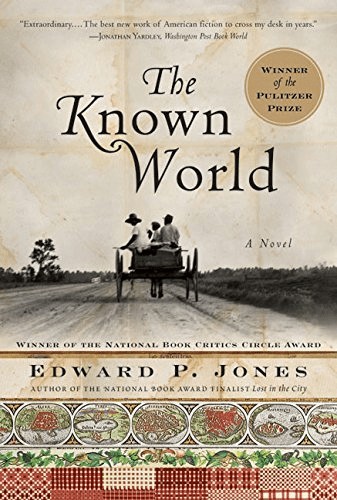
The Known World by Edward P. Jones
Edward P. Jones’s The Known World offers a layered portrait of slavery as a system shaped by power, contradiction, and moral complexity. Rather than offering a simplified view, the novel encourages readers to think more carefully about the structures that upheld slavery and the people caught within them. It is an excellent choice for a discussion of how literature can deepen understanding rather than offer easy answers.
Why These Stories Still Matter
Books like these continue to matter because they help readers engage with history in a fuller and more personal way. They do not replace historical study, but they add depth by showing how the past affects emotion, memory, family, and identity across time. They move readers beyond dates and definitions and toward a more thoughtful understanding of what slavery meant — and what its legacy still means.
They also remind us that representation matters. The most thoughtful books on this topic do not rely on shock alone. Instead, they make space for humanity, complexity, and reflection. They invite readers to approach difficult history with seriousness, care, and a willingness to listen.
A Thoughtful Way to Honor Juneteenth
Juneteenth is both a celebration and a remembrance. It honors freedom while also asking us not to overlook the history that made that freedom so hard-won. Literature can be part of that act of remembrance. Through novels that explore slavery and its aftermath with honesty and depth, readers are invited to reflect, learn, and carry those stories forward.
Reading Beloved, The Underground Railroad, Homegoing, Kindred, and The Known World is not about looking backward for its own sake. It is about understanding history with greater clarity and compassion. And in that way, literature becomes one meaningful way to honor Juneteenth: by remembering carefully, reading thoughtfully, and making space for stories that still matter.
This post contains affiliate links.
What I’m Reading
- Current print book: Pretty Dead Things, Kelsey Cox
- Current audio book: The Mark of Zorro, Johnston McCulley
- Book I’m most looking forward to: God’s Country, William Kent Krueger
Discover more from Read With Lindsey
Subscribe to get the latest posts sent to your email.

One thought on “Juneteenth Books: How Modern Literature Represents Slavery, Memory, and Freedom”