

If you’ve ever wanted to explore western novels by era, one of the easiest ways to start is by choosing one book that represents each major stage of the genre. Western fiction has changed dramatically over time, moving from early frontier stories to classic westerns, revisionist westerns, and today’s modern western novels.
What makes the western genre so interesting is how it continues to evolve while still holding onto its core themes: justice, survival, conflict, community, and life in the American West. Some western novels are mythic and larger than life. Others are more reflective, questioning the old legends and offering a more complex picture of the West.
If you’re looking for the best western books to understand the genre, these four novels offer a strong introduction. Each one represents a different era in western fiction and shows how western storytelling has grown over time.
Early Frontier Western Novels

Representative pick: The Virginian by Owen Wister
When readers talk about the origins of the western novel, The Virginian is one of the first books that comes up. Published in 1902, it is widely considered one of the earliest and most influential frontier novels in American literature.
This book helped establish many of the features that would later define western fiction: the cowboy hero, the frontier setting, the tension between lawlessness and order, and a strong moral code. For readers interested in the earliest stage of the genre, The Virginian is an essential place to begin.
Like many early western novels, it reflects the values and storytelling style of its time. But that historical perspective is part of what makes it so important. It shows how the western genre first took shape and why so many later stories feel connected to it.
Classic Western Novels
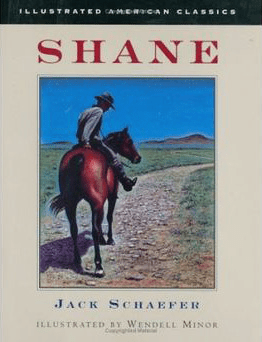
Representative pick: Shane by Jack Schaefer
If you want a novel that captures the spirit of the classic western, Shane is one of the best-known examples. Published in 1949, it helped define the heroic, mythic style that many readers still associate with western fiction.
The novel centers on a mysterious stranger who rides into a community in need and becomes a symbol of strength, sacrifice, and justice. Those larger-than-life qualities are a major part of what made classic western novels so enduring.
At the same time, Shane has an emotional core that gives it staying power. It is not only a story about heroism and conflict, but also one about belonging, admiration, and the personal cost of violence. That balance makes it one of the most important classic western books to read.
Revisionist Western Novels
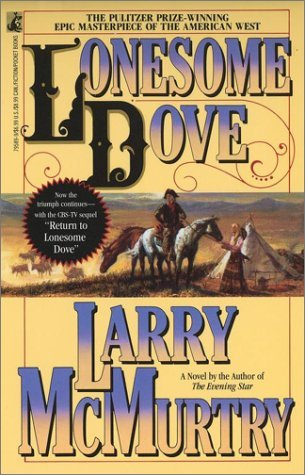
Representative pick: Lonesome Dove by Larry McMurtry
By the late twentieth century, revisionist western novels began challenging the simpler myths of earlier western fiction. Instead of clear-cut heroes and villains, these books often explored moral ambiguity, grief, hardship, and the emotional realities of frontier life.
Published in 1985, Lonesome Dove is one of the most celebrated revisionist westerns ever written. It still offers the scale and adventure readers often expect from the genre, but it also brings far greater emotional depth and realism.
Its characters are layered, its losses feel deeply personal, and its violence carries real weight. That is what makes Lonesome Dove such an important turning point in western fiction. It honors the western tradition while also showing readers a more human and complicated version of the West.
Modern Western Novels
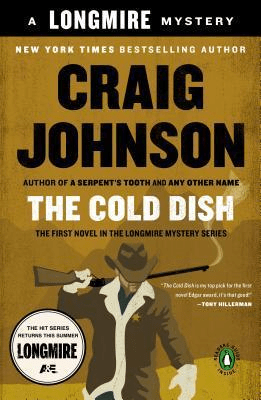
Representative pick: The Cold Dish by Craig Johnson
For readers looking for modern western novels, The Cold Dish is a strong place to start. Published in 2004, it blends western atmosphere with a contemporary mystery structure, showing how the genre continues to evolve for modern readers.
Set in Wyoming and centered on sheriff Walt Longmire, the novel has many of the qualities readers still love in western fiction: a rugged landscape, a strong sense of place, and ongoing questions about justice and responsibility. At the same time, it feels distinctly modern in its pacing, character development, and community-centered storytelling.
What makes The Cold Dish such a strong representative of the modern western is the way it balances tradition and change. It keeps the spirit of the western alive while also exploring grief, loyalty, and the realities of life in the contemporary West.
Why Reading Western Novels by Era Matters
Reading western novels by era helps show how much the genre has changed over time. Early frontier western novels laid the foundation. Classic western novels created the genre’s most iconic myths. Revisionist westerns questioned those myths, and modern westerns found new ways to keep the genre relevant.
Looking at western fiction this way also makes it easier to find the kind of western you enjoy most. Some readers love the foundational feel of early frontier stories. Others prefer the heroism of classic westerns, the emotional complexity of revisionist westerns, or the accessibility of modern western novels.
If you want to understand the genre as a whole, starting with one standout book from each era is a great way to do it. The Virginian represents the roots of the genre, Shane captures the classic western tradition, Lonesome Dove shows the power of the revisionist western, and The Cold Dish proves that modern western novels still have plenty to offer readers today.
Have you read any of these western novels, or do you have a favorite western book from another era? Share your top western recommendation in the comments — I’d love to hear which book you think every reader should try.
This post contains affiliate links.
What I’m Reading
- Current print book: The Making of a Witch, Judy Molland
- Current audio book: In The Middle of Hickory Lane, Heather Webber
- Book I’m most looking forward to: Pretty Dead Things, Kelsey Cox
Discover more from Read With Lindsey
Subscribe to get the latest posts sent to your email.
