
News and Updates
We’ve officially reached the midpoint of the month, which always feels like a good moment to check in. How are you doing with April’s reading prompts—have you found a favorite yet, or is there one you’re quietly sidestepping? I love historical fiction, but found myself enthralled with western fiction a few years ago when I read Larry McMurtry’s Lonesome Dove while on a work trip. While I’m reading the third book in his series this week, we will be exploring different types of western fiction on our social accounts this week – make sure to follow us on Instagram, Facebook, or TikTok for more!
This Week
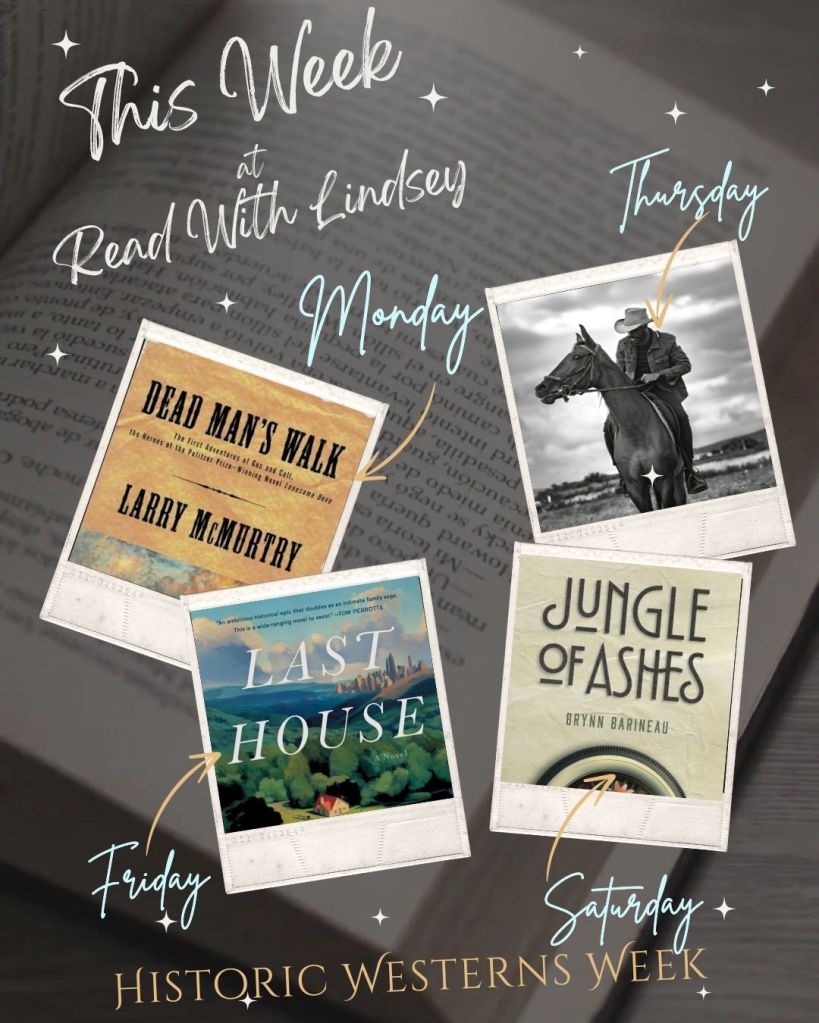
Google describes westerns as stories rooted in frontier life—rugged landscapes, stark moral choices, and the classic tension between civilization and the wilderness. Traditional westerns are usually set in the 18th or 19th centuries, but the genre has grown far beyond its historical roots. If you prefer something more contemporary, there are plenty of modern westerns—like the Longmire series—that might be right up your alley.
Monthly Reading Challenge: Historical Fiction
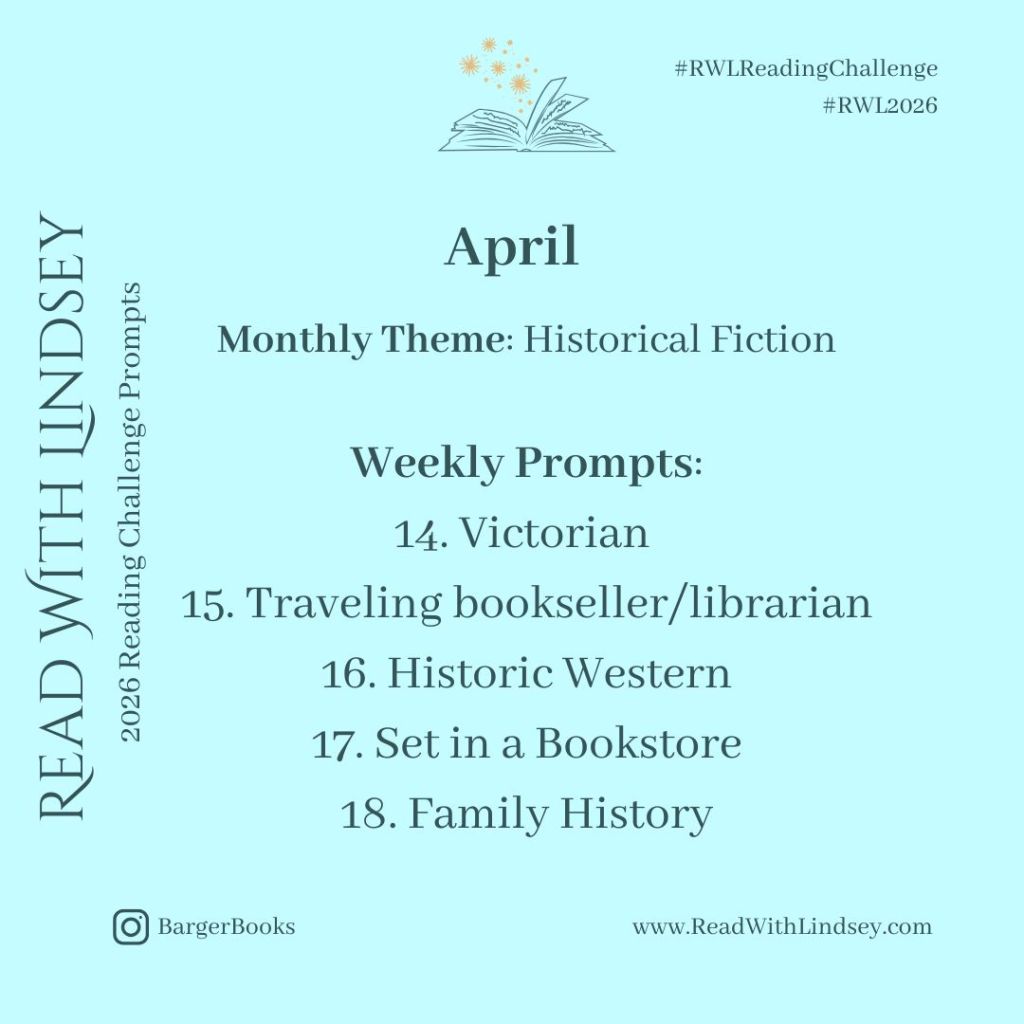
Weekly Reading Challenge: Historic Westerns
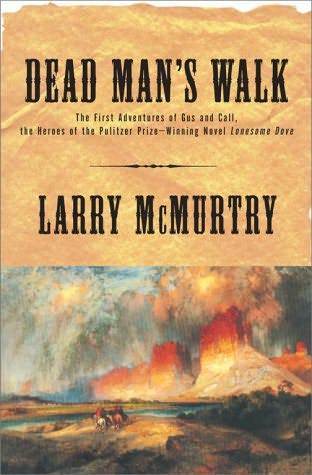
Although Dead Man’s Walk is the third published novel in McMurtry’s Lonesome Dove series, it’s the first in the chronological timeline, tracing the early years of beloved characters Gus and Call. We also witness their formative relationships with Clara and Maggie—the women who shape, steady, and sometimes undo them. Dark yet edged with hope, the novel blends historical events with McMurtry’s fictional world, revealing the origins of the traits, choices, and vulnerabilities that define the men we meet in the later books.
Having fallen in love with Gus and Call in Lonesome Dove, this prequel was devastating to read. Seeing what they endured so young—and imagining the fear and uncertainty they carried—adds a heartbreaking depth to their story.
If you’re looking for other great books for this prompt, try one of these reads recommended by our StoryGraph community:
- One Thousand White Women, Jim Fergus
- True Grit, Charles Portis
- The Virginian, Owen Wister
- Where the Lost Wander, Amy Harmon
New This week
We don’t have any pre-release reads coming out this week, but I have two books pre-ordered and arriving this week from favorite authors that also fit with our western theme this week!
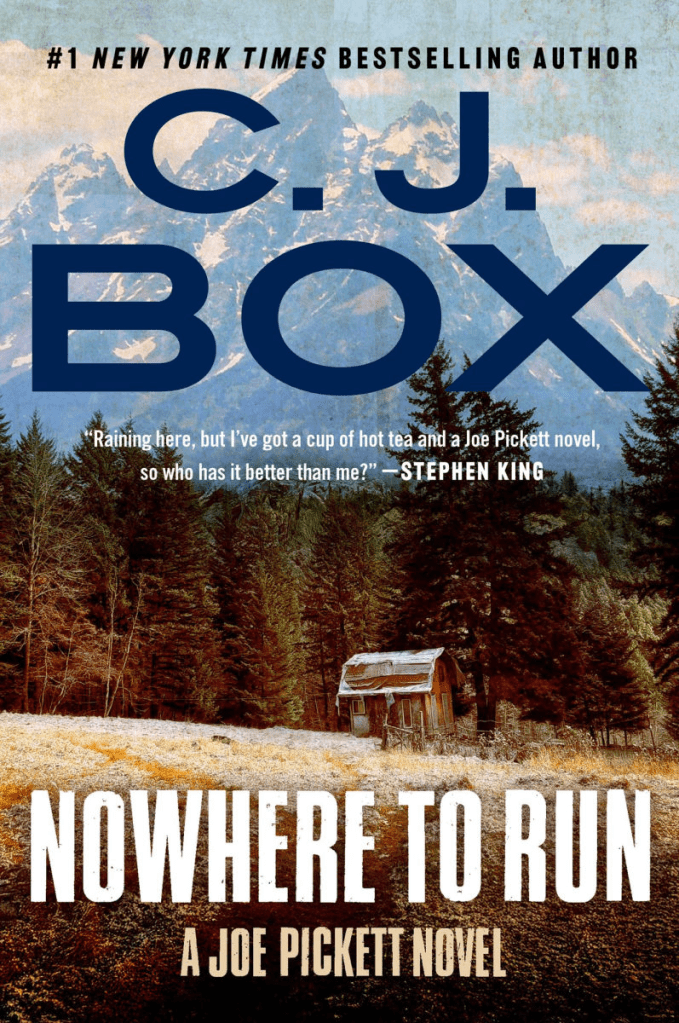
The Joe Pickett series is one of my longtime favorites—a modern western that delivers rugged landscapes and man‑versus‑nature tension without the wagon trains. If you’re looking for a contemporary take on the genre, this is a great place to start.
In the tenth installment, Nowhere to Run, Pickett heads into the backcountry on what should be a straightforward assignment. Just as he’s preparing to return to his old territory—and to his family—he stumbles onto something he can’t ignore. What follows is a taut, high‑stakes chase through unforgiving terrain. The question becomes not just whether he can solve the mystery, but whether he’ll make it out alive.
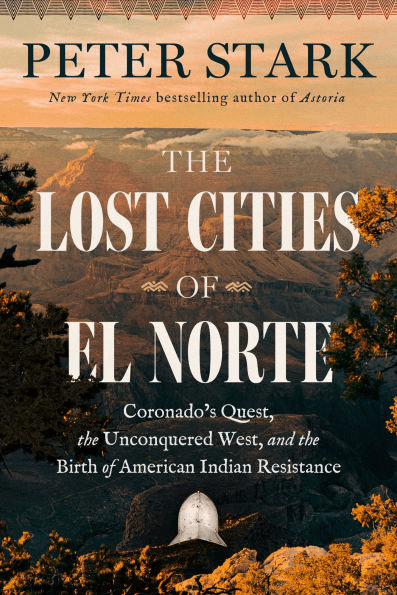
Author Peter Stark also returns with another gripping work of narrative history. In The Lost Cities of El Norte, Stark chronicles Coronado’s 1540 expedition into the American West—a journey fueled by rumors of golden cities and marked by violence, devastation, and the seeds of Indigenous resistance. Few survived, and even Coronado himself emerged irrevocably changed.
Stark’s earlier book on Tecumseh and President Harrison absolutely stunned me. His meticulous research and gift for shaping historical detail into a compelling narrative always pull me in, even when I already know the ending.
In Case You Missed It
Last Week’s Prompt
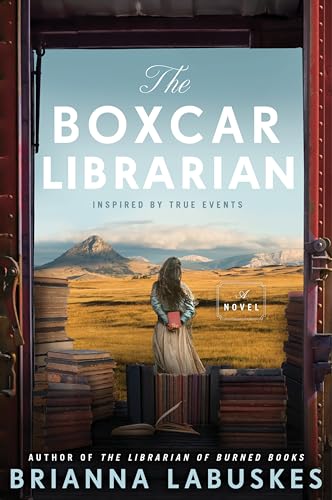
Alice cherishes the way the mining‑camp children light up when she arrives with new books. But as families begin to leave and she realizes those young readers will soon lose access to stories altogether, she pushes her traveling library deeper into the remote camps—an act that stretches her far beyond her familiar life. Years later, the WPA assigns Millie to town to edit Montana’s travel guide, where she finds Alice now serving as head librarian and a WPA office staffed by a motley crew who may be either the agency’s brightest assets or its most carefully concealed liabilities. The convergence of Alice’s and Millie’s paths reveals a story with far greater reach than either expected.
I give The Boxcar Librarian by Brianna Labuskes 4 out of 5 stars. Based on a true story, the novel takes readers on a dual‑timeline journey following three resilient women across several decades in rural Montana. I did notice a handful of typos in the final chapters—more a reflection on the editing than the author’s craft—and a few characters felt underdeveloped, making them harder to connect with. Still, this was a piece of history I knew little about before picking up the book, and I came away with a deeper appreciation for the WPA and the remarkable boxcar library in Missoula.
Last Week’s Articles
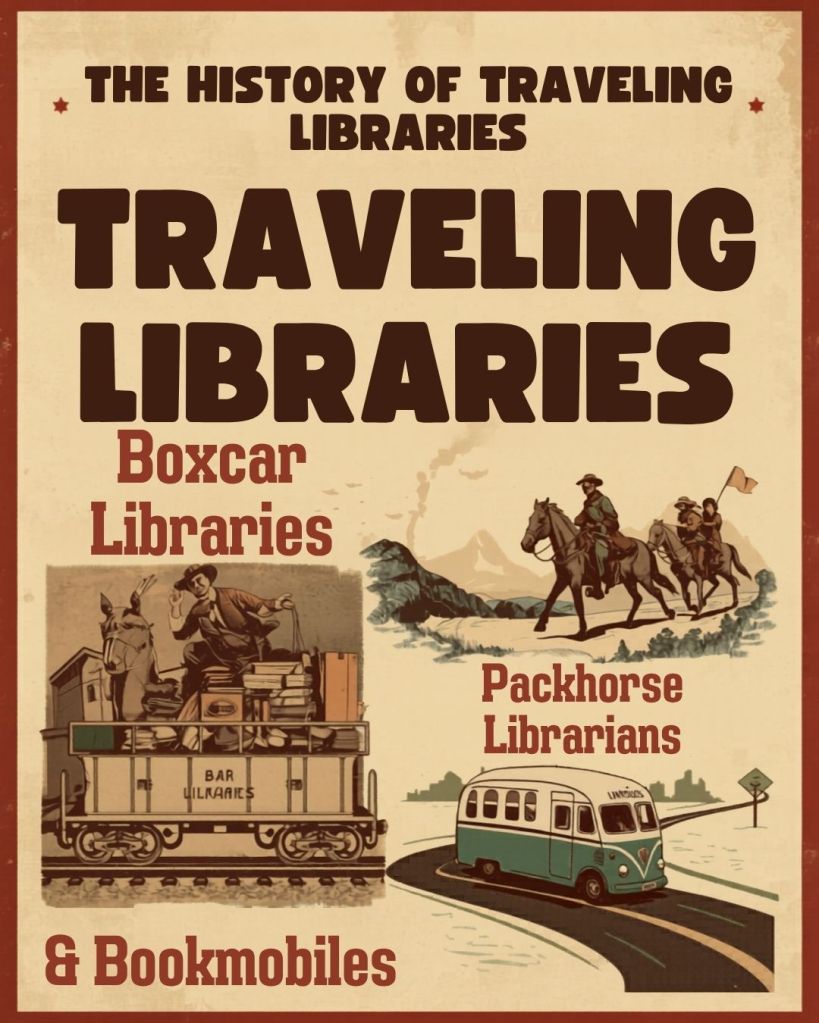
Libraries have always found creative ways to reach readers — and the history of traveling libraries is one of the most fascinating examples of that. From Montana’s boxcar library to Kentucky’s packhorse librarians to the rise of bookmobiles, last week’s post looked at how books traveled far beyond library walls to reach rural and under-served communities.
Before we got started on the traveling librarian topic this month, I wasn’t familiar with the boxcar libraries, but I’d read a few books on packhorse librarians. I’ve also visited a few bookmobiles over the years. Have you visited any traveling libraries? Is there a type we missed including here?
Last Week’s Preview
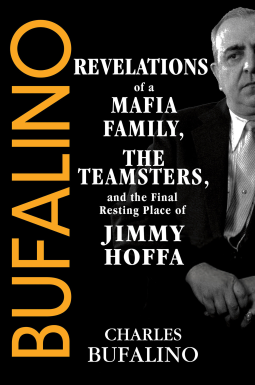
Charles Bufalino’s Bufalino digs into the overlap between organized crime, labor history, and the families tied to Jimmy Hoffa’s disappearance — which made it such an interesting read for me. The subject matter is genuinely fascinating, especially the connections to Pennsylvania coal towns, the Teamsters, and the Bufalino and Genovese families.
That said, I ended up giving this one 3⭐ because the structure felt hard to follow at times. Events repeat across chapters, and with so many people sharing the same names, I found the timeline a little difficult to keep straight. If you already know the history or have ties to Northeastern Pennsylvania, I think this one may click more easily. Have you read a nonfiction book with a fascinating topic but a tricky format?
You can read the full review here.
Reading Challenge Prompts
Historical fiction has a wide variety of sub-genres that can take you in many different directions. From eras to formats, there’s different ways to attack this month’s prompt. While I typically gravitate toward stories set during World War II or the Civil War, this month’s prompts are nudging me to explore sub‑genres beyond my usual comfort zone—including Victorian‑era fiction and family‑history‑centered narratives.
We’ll also be celebrating both National Library Workers Day and Independent Bookstore Day with themed prompts and a few special posts from some of our favorite local spots. We’d love to see your favorite libraries and indie bookstores, too—feel free to share them with us!
This post contains affiliate links.
What I’m Reading
- Current print book: Last House, Jessica Shattuck
- Current audio book: The Lions of Fifth Avenue, Fiona Davis
- Book I’m most looking forward to: Pretty Dead Things, Kelsey Cox
Discover more from Read With Lindsey
Subscribe to get the latest posts sent to your email.
