

Boris Pasternak’s Doctor Zhivago has been an institution in American education for decades. Following the historical events after the 1905 Russian Revolution and before World War II, this novel exposed the brutal conditions civilians suffered. Due to the author’s stance on Bolshevik Revolution, the Soviet government prevented the book’s release in his country but was originally published in 1957 through an Italian publisher who smuggled it out. Pasternak would go on to win the Nobel Prize for Literature the following year but suffer additional sanctions and threats by the Soviet government afterwards. With themes of loneliness and the non-acceptance of the revolutionary thoughts of the Bolsheviks, this is a book about survival and existence in an era of Soviet political repression.
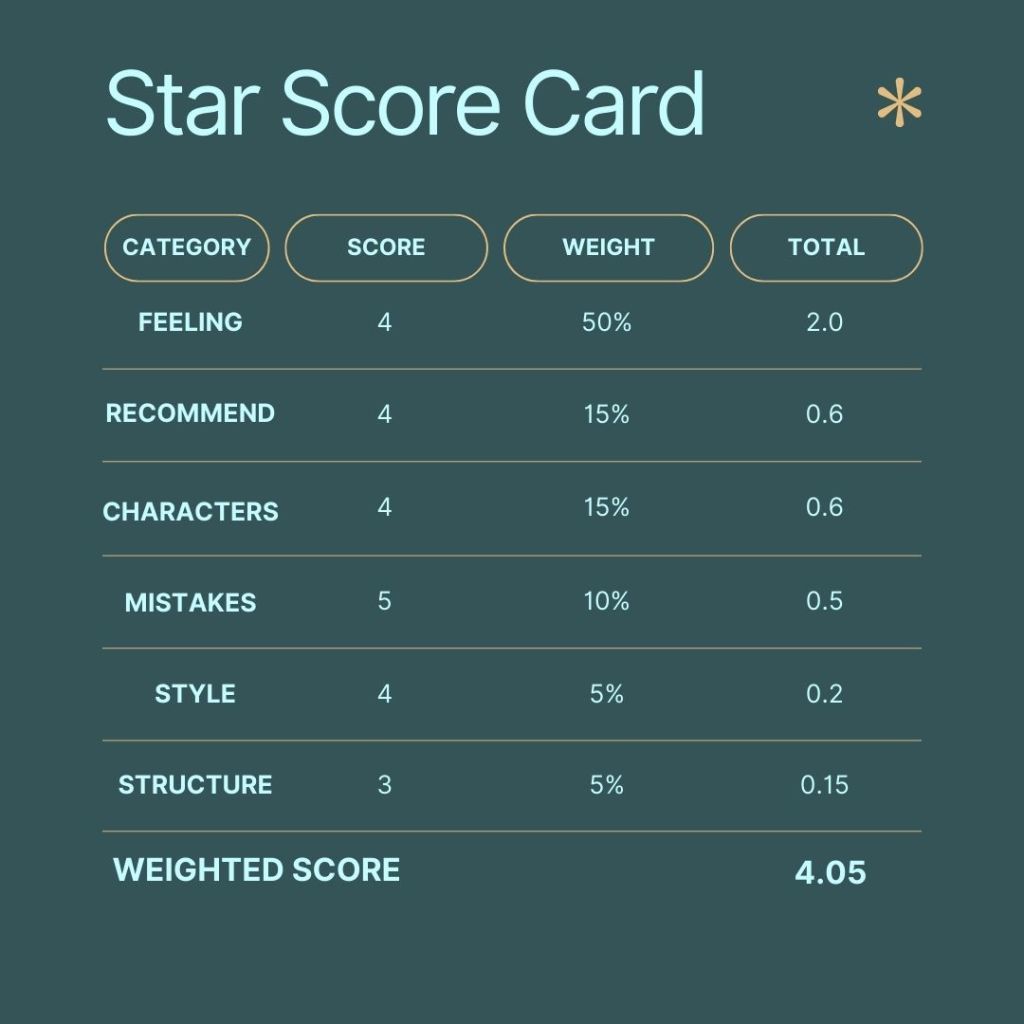
I give Doctor Zhivago 4 out of 5 stars. I was pleasantly surprised by this book. I had expected something hard to connect with like other foreign language novels of this time period. What I found was something that had it’s difficult to read moments but was easy to understand and connect with. The toughest part of reading this novel was following the character names – Pasternak utilizes the Slovick naming convention where each character has a first name and family name like western cultures, but also a patronymic name. Pasternak uses these three names interchangeably without much of a connection between them. If you aren’t paying attention and using other context clues, it could be easy to get lost on who was involved in the scene. I also found some of the language and chapter length challenging, but overall, this was a great historical fiction read!
I would recommend this novel to readers whose students may also be reading the book in their literature course. This was the first book I had read about Soviet culture during this period of history – it would be a great read for anyone interested in this era or in historical fiction in general. Additionally, if you enjoy poetry, you may like this book as well – Pasternak is well known for his poetry and several samples are included in the novel.
I chose Doctor Zhivago for the Read With Lindsey Reading Challenge Prompt “over 300 pages”. There are several editions in print, all around 575 pages. I chose the audiobook version which is narrated by John Lee who is one of my favorite narrators for historical fiction and non-fiction alike. I had avoided this book in high school and college literature classes, and really thought I was going to hate reading this book, but I really did enjoy it! What are you reading for the challenge this week?
This post contains affiliate links.
What I’m Reading
- Current print book: Follow Me to Africa, Penny Haw
- Current audio book: American Rebels, Nina Sankovitch
- Book I’m most looking forward to: Lethal Prey, John Sandford
Discover more from Read With Lindsey
Subscribe to get the latest posts sent to your email.

One thought on “Doctor Zhivago”