
At the height of World War II, thousands of children were secreted and smuggled out of Nazi controlled areas of Europe to the safety of neutral and Allied countries. They weren’t hidden inside barrels of goods or under the floors of trucks, but were kept secured in homes and moved across the borders by transporters who often used forged identity papers to travel in plain sight aboard trains and busses. For Eva, her life as a forger started out of necessity when her father was taken from their Paris apartment. She needed to get her mother to safety outside the city. When she is approached with the proposal to help forge documents for the children of Jews who had been arrested, she jumps in to the role with only little thought to the risk if she is caught. As word of her work spreads both in the French Resistance and the Nazi Party, Eva has to consider who she can trust. Will she be discovered, or will Eva be able to continue her work safely?
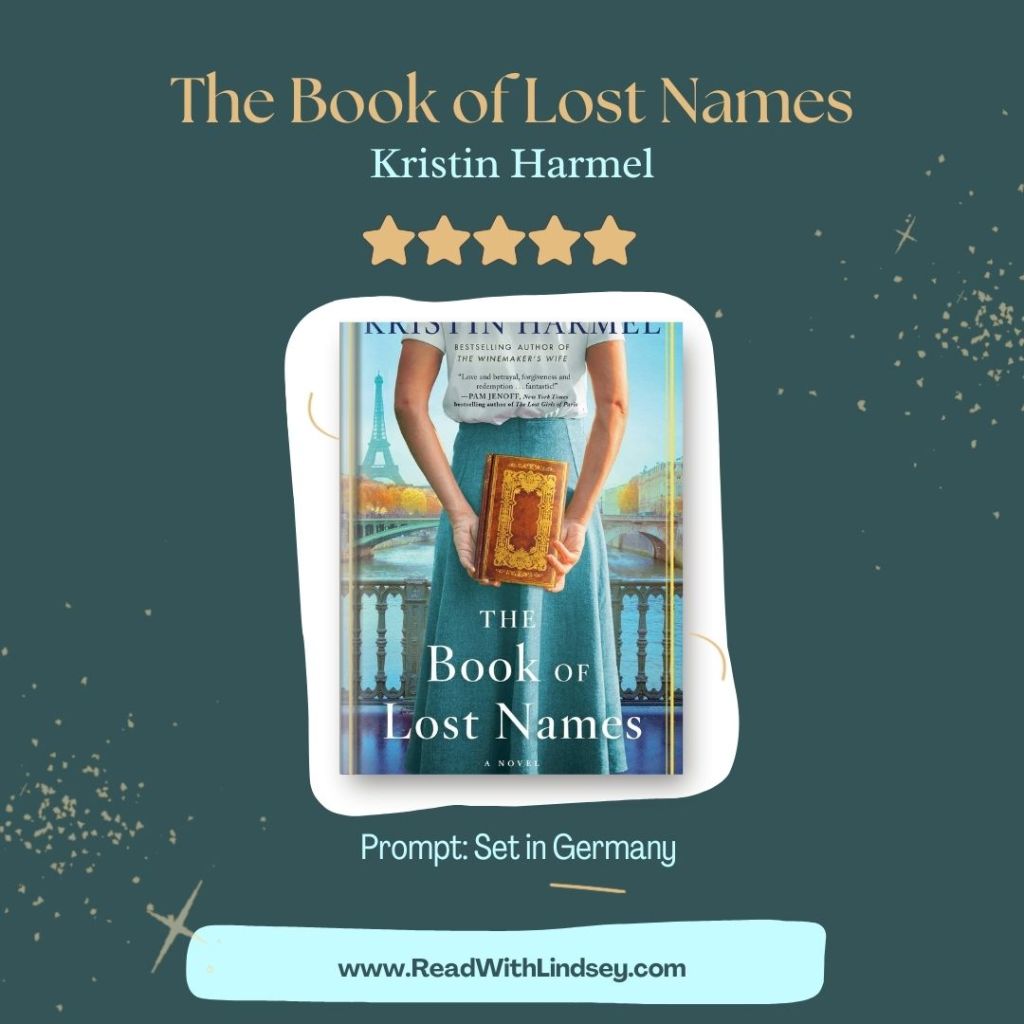
Kristin Harmel has made a name for herself in the historic fiction genre with works like The Forest of Vanishing Stars and The Paris Daughter. Published in 2020, The Book of Lost Names follows the life of a forger both during the occupation and after the war. A Goodreads Choice Awards nominee for Historical Fiction, this novel was well-received by critics and readers worldwide. Connecting readers to the Nazi crimes, the Resistance efforts, and the more recent efforts to restore Nazi plunder to it’s rightful owners, this book is about the legacy we leave behind and the obligations we have to protect those unable to protect themselves.
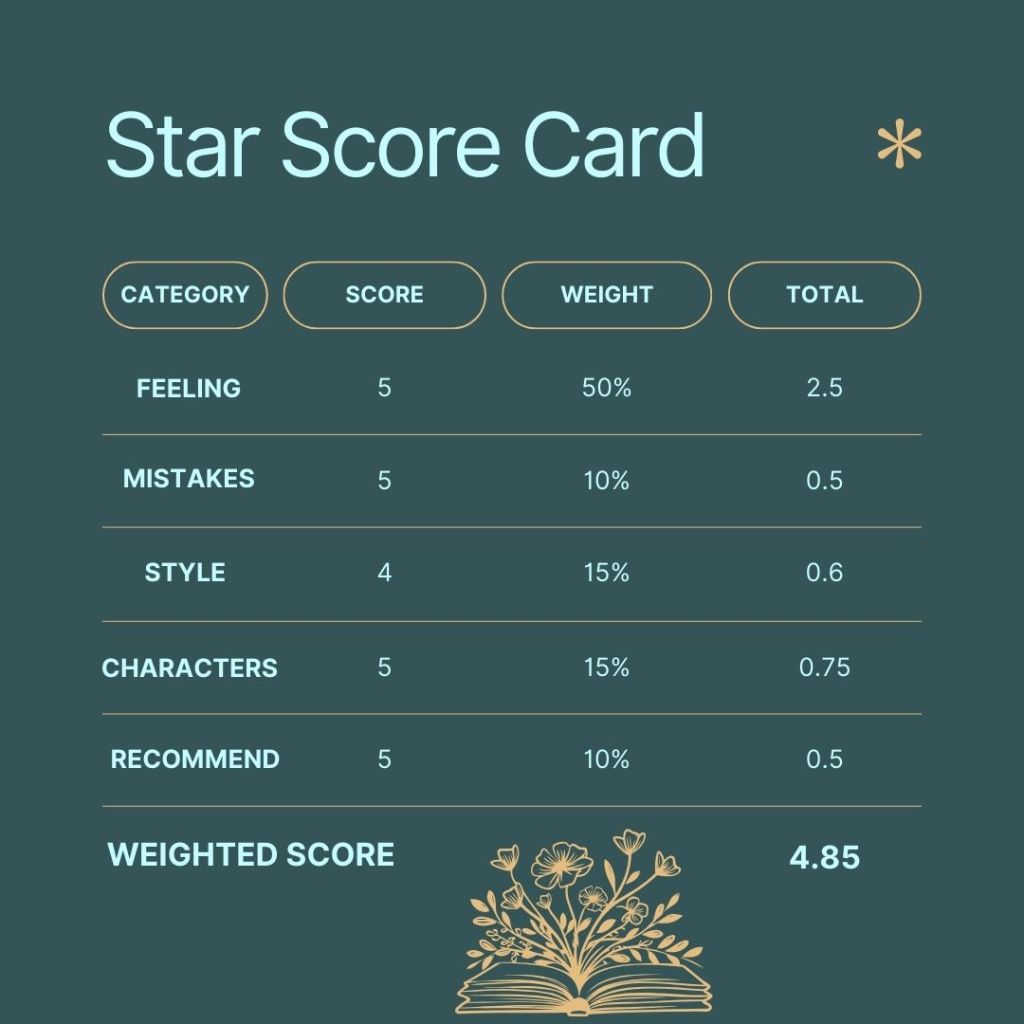
I give The Book of Lost Names 5 out of 5 stars. As an avid reader of historical fiction and nonfiction centered around World War II, I had not heard about the grassroots forgery effort until this book. Part of me finds the quick turn from normal Parisian woman to expert forger suspiciously quick, but still somewhat believable. The way Harmel incorporates romance and betrayal into this tug at your heart. I have to say every scene where Eva’s mother is included was hard to read for me – the nagging, the histrionics, the vitriol she spewed at Eva. For the mother to later say she was proud of Eva felt disingenuous. With that said, one of my favorite pieces of this book was the ending – multiple twists and surprises – I loved it!
With discussions of violence, death, and danger to children, this book would be best directed to more mature audiences over 16. If you love Harmel’s other works, you will love this, too. This is also a great book for readers who enjoy World War II fiction. The dual timelines in this novel may also be an attraction for some readers who feel better connected to historical characters with some current day connections. I also think this would make a great book club discussion with so many beautifully written characters and situations.
I chose The Book of Lost Names for the Read With Lindsey reading challenge prompt “Set in Germany”. I cheated a bit with this – it’s actually set in France during occupation. The constant threat and presence of the German forces though makes this novel a great read. What is your favorite book set in Germany?
This post contains affiliate links.
What I’m Reading
- Current print book: The Girls of Mischief Bay, Susan Mallery
- Current audio book: Now is Not the Time to Panic, Kevin Wilson
- Book I’m most looking forward to: A Discovery of Witches, Deborah Harkness
Discover more from Read With Lindsey
Subscribe to get the latest posts sent to your email.

One thought on “The Book of Lost Names”