
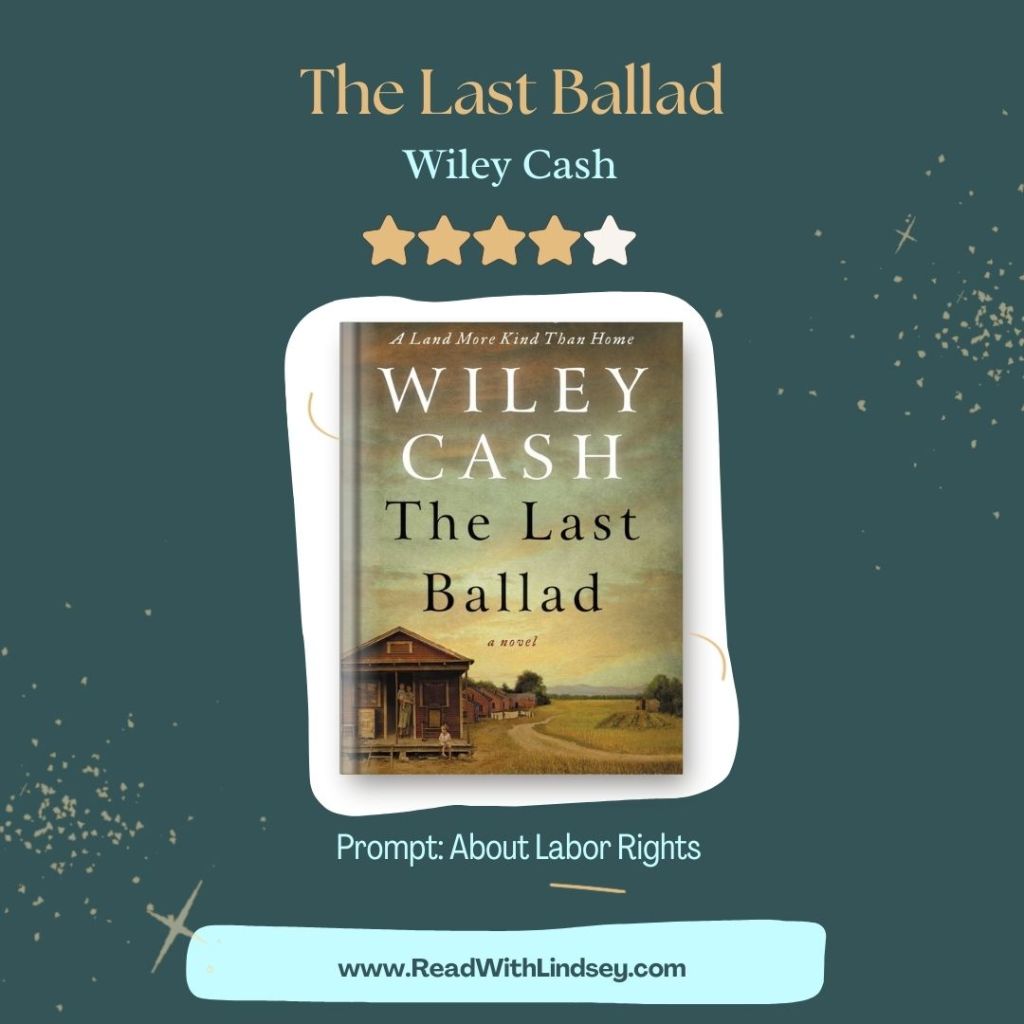
Ella May Wiggins is a young mother who was promised the world but really only wants enough money to put food on the table. She worked at American Mill No. 2 until a few weeks ago when she was recruited to help organize strikes and recruit for the National Textile Workers Union by using her story that connected with so many of the textile workers across North Carolina. But it was her voice that brought her the most fame – Ella wrote songs and performed at rallies for the union. But when she starts to garner attention on a larger scale, the mill owners had enough – they put a hit out on her. Would her death at the nearby Loray Mill strike bring the changes the union was asking for, or would it be for nothing?
The Last Ballad is Wiley Cash’s fictionalized tale of Wiggins life from her young marriage, to the death of several of her children, to her work as a union organizer. A Southern Book Prize winner for Literary Fiction, this book brings historical fiction and southern gothic frameworks together in an unbelievable story of hatred, racism, poverty, and striving for a better life. Cash does not shy away from the unpopular background of the unions or several of the main characters, but instead uses it to illustrate the motivations behind the events recounted in this novel. This is a story so important to the southern textile industry and the impetus to unions in Appalachia.
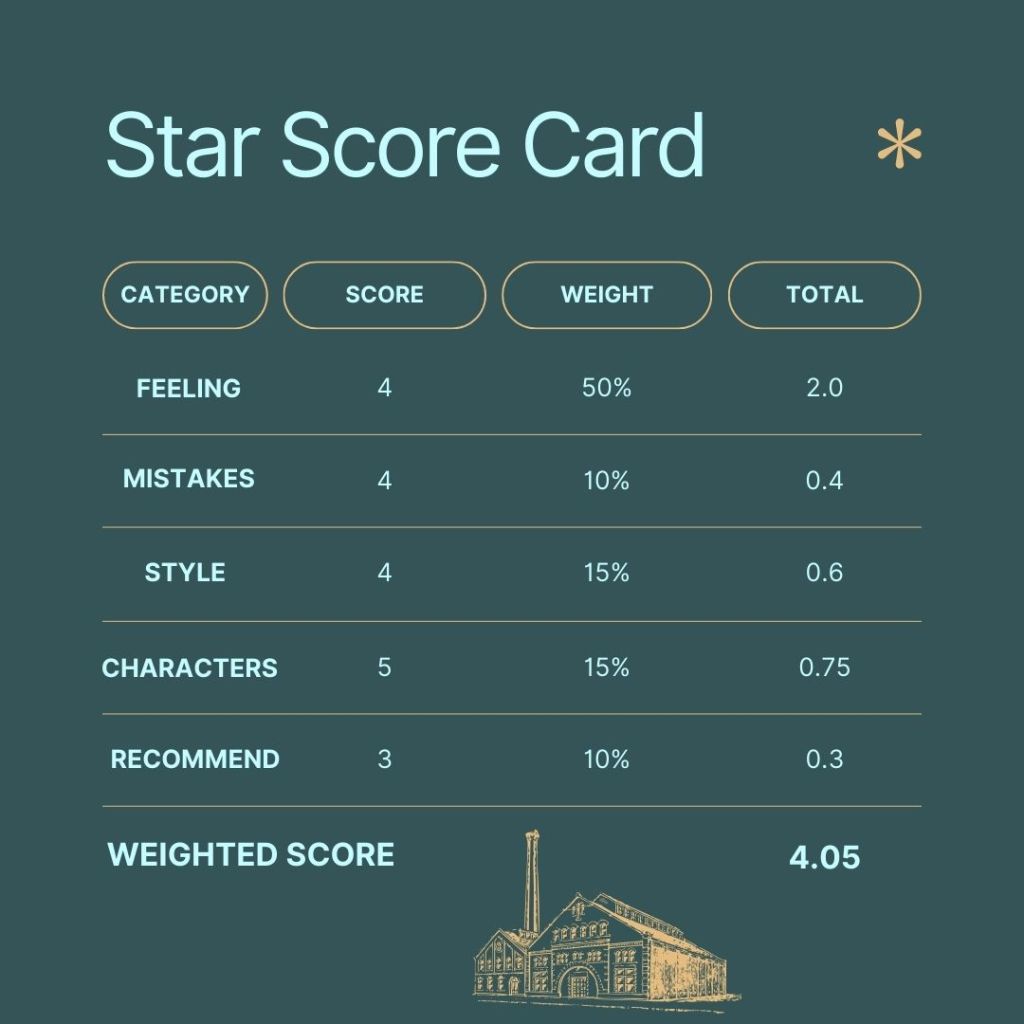
I give The Last Ballad 4 out of 5 stars. I was impressed with the way Cash connects readers to his main characters, building backstories and pulling at your heartstrings early in the novel to set you up to care for them. There is a portion of the novel centered around a character called Brother though that felt disconnected from the main storyline and I wonder if the writer could have created the continuity better without the pages devoted to his story. I was also disappointed to learn a few details of the Loray strike and Wiggins real life story were changed to fit the novel better. With that said, the imagery and descriptive language used throughout were perfect to bring the reader into the setting well.
Given discussions of underage sex, racial violence, and murder, this is a book I would direct towards mature audiences over 16. This is a great book for readers who are unfamiliar with the union strikes and textile industry in the south – the union work in the Northeast is so much more familiar in history books and literature. This is also a great historical fiction book for those who appreciate Southern Gothic literature.
I chose The Last Ballad for the Read With Lindsey Reading Challenge prompts “about labor rights”. I’ve read a few books over the past two years about labor rights and unions – there are some great suggestions in yesterday’s agenda post. However, I’ve never read one about an industry here near where I live. Additionally, I grew up in a southern family with a father who worked in the textile industry, but had never heard about the strikes one state north! This was an interesting read with a new-to-me story, but I did find the need to read additional materials about the strike and Wiggins’ life to get better information.
I hope you’re having a wonderful Labor Day holiday and finding plenty of time to read good books!
This post contains affiliate links.
What I’m Reading
- Current print book: Tom Clancy Defense Protocol, Brian Andrews & Jeffrey Wilson
- Current audio book: Carnegie’s Maid, Marie Benedict
- Book I’m most looking forward to: The Secret Life of Bees, Sue Monk Kidd
Discover more from Read With Lindsey
Subscribe to get the latest posts sent to your email.

One thought on “The Last Ballad”