

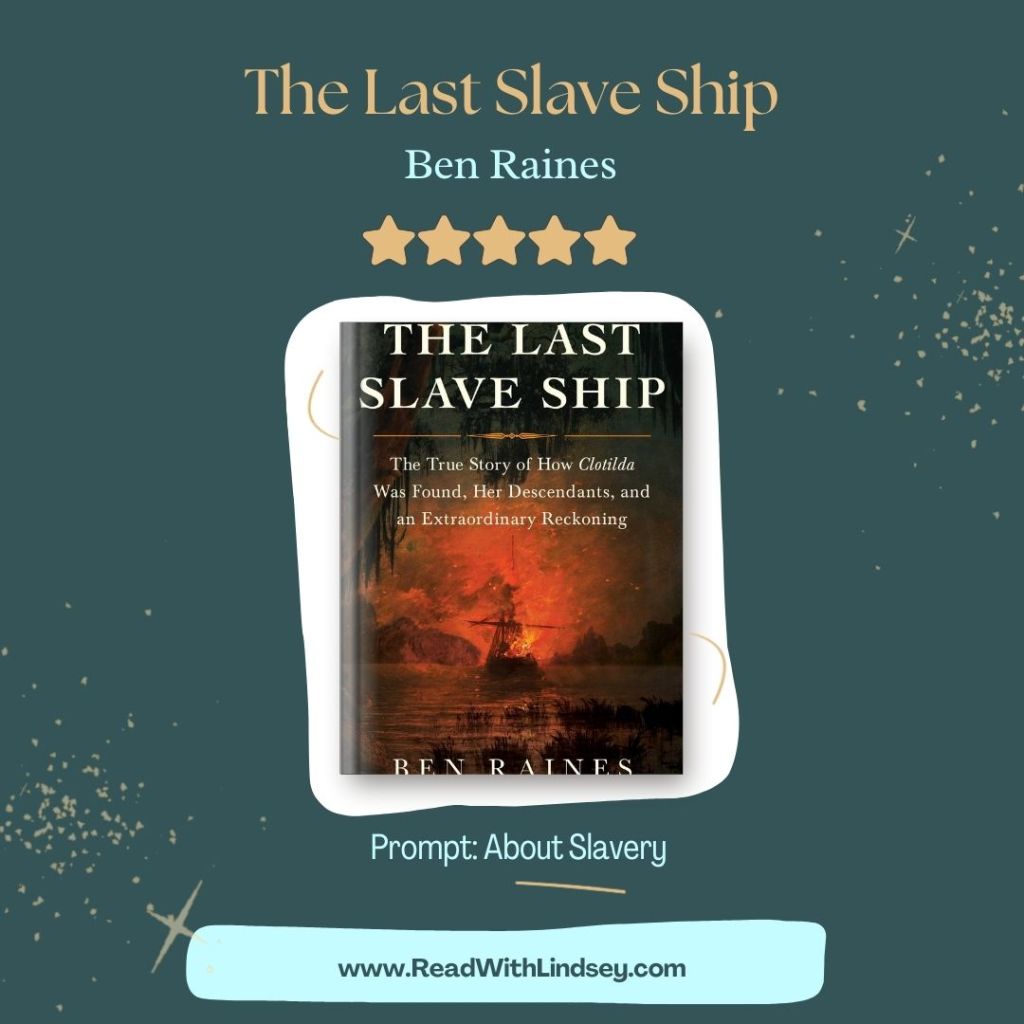
In 2019, journalist Ben Raines made international headlines for a story he didn’t just investigate and report, but for the mystery he solved. The Last Slave Ship to offload its human cargo onto American soil was the Clotilda in 1860 in the Mobile River delta. The importation of slaves had been an international crime for over 50 years when the ship left port for Africa after the financier of the voyage took a bet that he could run the blockades on slavery in the Gulf of Mexico and the Atlantic, meaning the men behind the voyage needed to hide the proof of their crime. The Clotilda was a very unique ship and identifiable based on modifications made both well before this particular journey and those specifically made to increase speed for this mission. After transferring the human cargo to another ship for ferrying further up the river basin, the captain scuttled the ship, burning the vessel to the waterline and sinking what remained. Long professed to be a myth by those very families behind this last importation, Raines made it his mission to document the ship’s journey and locate its grave in the waters off his hometown shores.

I give The Last Slave Ship 5 out of 5 stars. Earlier this year, I read Africatown by Nick Tabor that documented the village created by the men and women brought to Mobile on the Clotilda. Tabor’s book focused more on the journey they faced after slavery, but not much on why the American men risked their freedom and lives to make the journey, or on the lives of the Africans before their capture and later sale to the Americans. Raines investigated not only the motives behind the voyage, but also what life would have been like for those forceable relocated like Cudjo Lewis and Matilda McCrear who lived well into the 20th century. Much as Tabor did in his respective work, Raines documents the ongoing bias and discrimination of the Meaher family and the local government in Mobile. Raines though goes further to show the reconciliation between the descendants of the Africans and their captors. This is more than just an investigative work of art, this is a passion project that has shaped the life the author now lives, leading guided journeys into America’s Amazon – the Mobile River delta – to view the site of the Clotilda and works of nature most American citizen never see.
If you have been following some of the work to develop a Clotilda museum, or if you enjoyed Africatown earlier this year, you will love this book! As a documentary filmmaker, Raines did well at capturing the history both in the written word and in photographs. At the end of the book, Raines provides historic photos copied from the families and historical societies of Africatown as well as his own photographs from the mission to find the ship. This is also a great book if you are interested in Civil War history or the legal system around that era – Raines documents the many attempts to bring the Meahers and their cohort to justice for this crime.
I chose The Last Slave Ship for the Read With Lindsey 2024 Reading Challenge prompt “about slavery” in honor of Juneteenth. Last year, I read Twelve Years a Slave about Soloman Northrup’s life as a slave after being wrongly kidnapped from his life as a free man in New York. I wanted to shift to a story about slaves kidnapped from overseas this year and wanted to read more about the citizens of Africatown. This book had so many great stories those citizens, but also the absurdity of the Meahers and their friends who thought they were above the law. I could not stop talking about this book while I was reading it – I hope you enjoy it as much as I did!
This post contains affiliate links.
What I’m Reading
- Current print book: Holiday Country, Inci Atrek
- Current audio book: Call Upon the Water, Stella Tillyard
- Book I’m most looking forward to: Ragtime, E.L. Doctorow
Discover more from Read With Lindsey
Subscribe to get the latest posts sent to your email.

2 thoughts on “The Last Slave Ship”